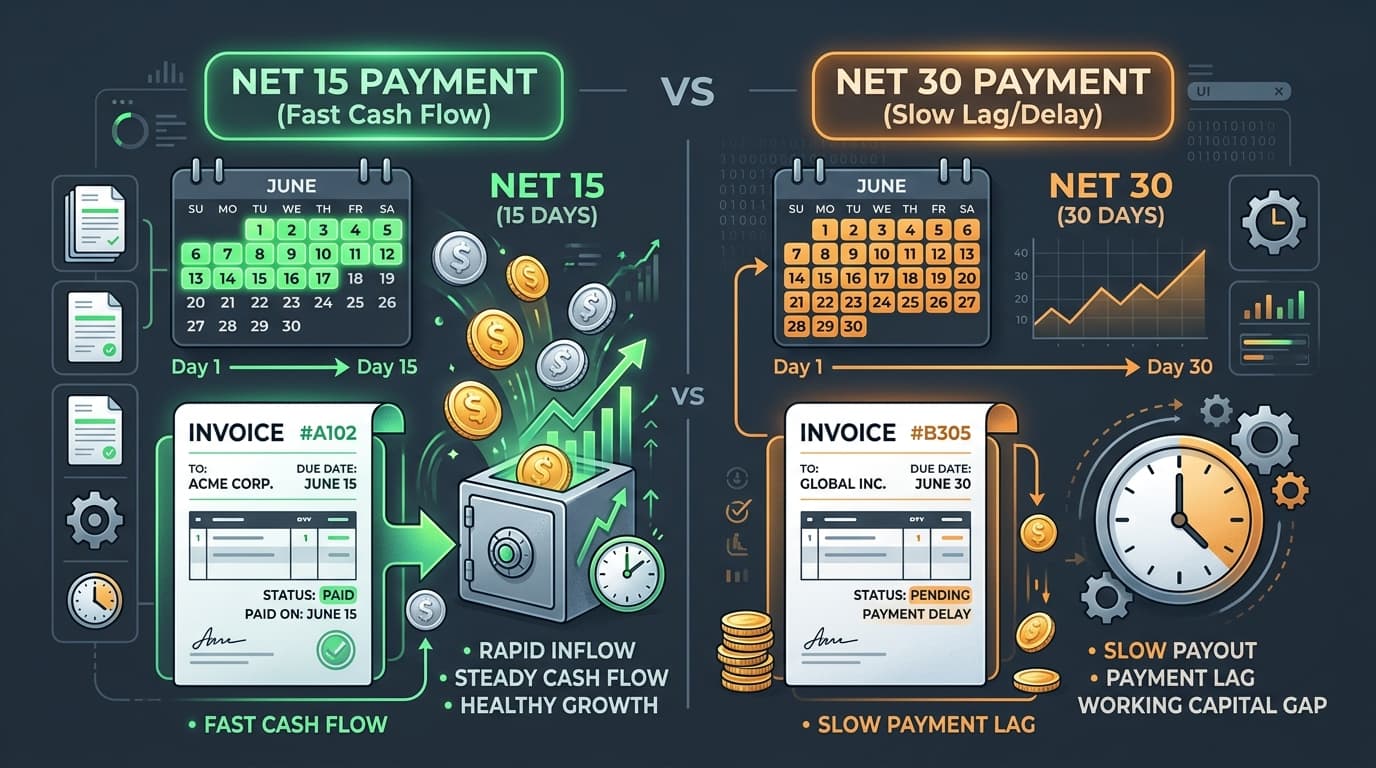
One of the most common mistakes new freelancers make is copying 'Net 30' onto their invoices without thinking about what it actually means. In corporate accounting, 'Net 30' sounds professional. In reality, it tells your client: 'Take your time. You don't have to pay me for a full month after I finish your work.'
Cash flow is the lifeblood of any solo business. When you give clients 30 days to pay, accounting departments often push payment to day 35 or 45. In contrast, shortening terms to Net 14 or Net 15 keeps your work top of mind and aligns billing with standard semi-monthly payroll cycles.
Comparing Standard Invoice Payment Terms
Understanding the trade-offs of each term standard helps you choose the right policy for each client relationship:
- Due Upon Receipt: Payment is expected immediately. Ideal for new clients, small one-off projects, field service trades, and deposits.
- Net 7: Payment due in one week. Excellent for recurring weekly retainers and fast-turnaround freelance sprints.
- Net 15 (Recommended for Solo Pros): Payment due in two weeks. Matches bi-weekly corporate pay runs; fast enough to maintain healthy cash flow while offering reasonable turnaround.
- Net 30: Traditional corporate standard. Suitable for large enterprise accounts with dedicated accounts payable (AP) cycles, but dangerous for solo freelancers who need timely income.
- Net 60 / Net 90: Extreme terms demanded by massive conglomerates. Solo operators should generally avoid these unless buffered by significant working capital and higher pricing.
Why Net 15 Outperforms Net 30 for Freelancers
Empirical billing studies show that invoices issued with Net 15 terms are settled an average of 9 days earlier than Net 30 invoices. Here is why:
- 01Urgency Prevents Neglect: A 30-day window causes managers to set the invoice aside in their 'review later' folder. A 15-day window signals an active, prompt deliverable that requires immediate sign-off.
- 02Matches Accounts Payable Batching: Most finance departments run accounts payable batches twice a month (the 1st and the 15th). Net 15 guarantees your invoice hits the next upcoming payment run.
- 03Earlier Warning on Delinquency: If a client doesn't pay a Net 15 invoice, you know they are in default by day 16 and can pause work immediately. On Net 30, you might work an entire extra month before realizing the client has payment problems.
How to Place Payment Terms on Your Invoice
Never assume a client knows what your payment terms are. Clear communication avoids payment disputes:
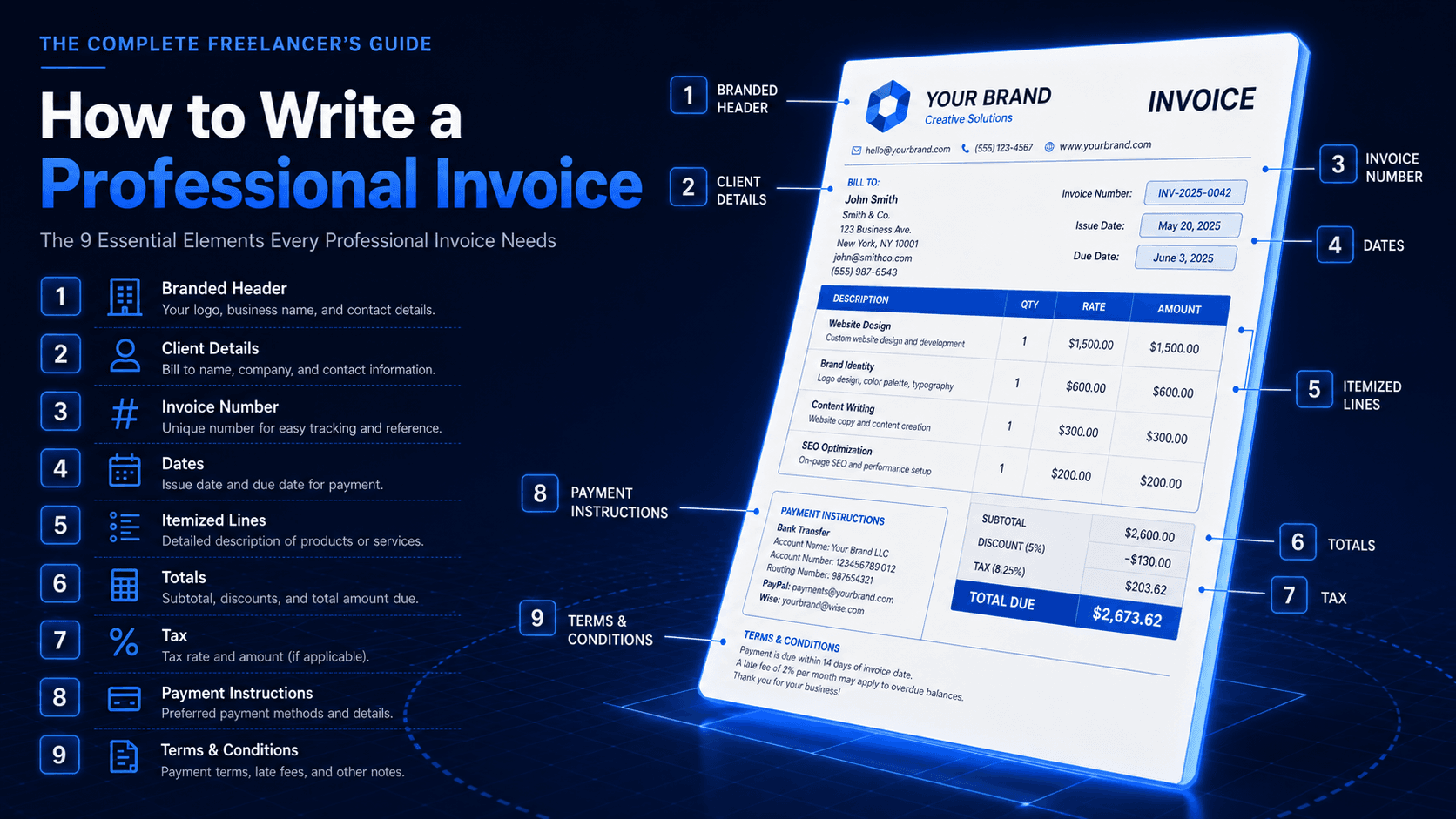
- Always state the exact due date: Do not just write 'Net 15'. Write 'Terms: Net 15 | Due Date: July 15, 2026'. Clear calendar dates eliminate ambiguity.
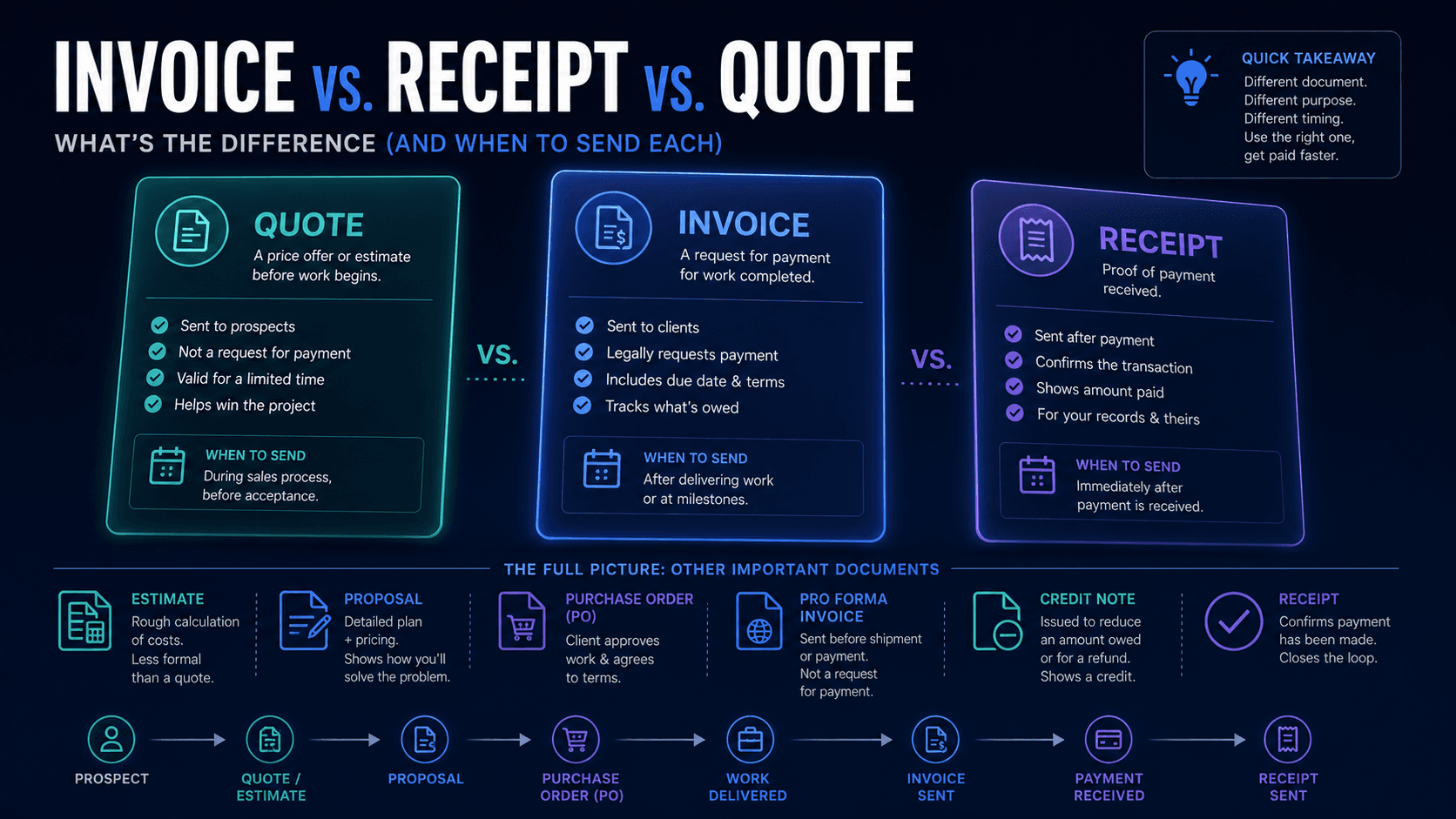
- Include terms in your initial contract: Ensure your engagement letter or proposal specifies 'All invoices are issued on Net 15 terms' before starting work.
- List preferred payment methods: State direct bank routing details (ACH/IBAN/SWIFT) or electronic payment instructions directly beneath your terms line.
Polite Scripts for Following Up on Due Dates
Enforcing terms is about routine professionalism, not confrontation:
- 3 Days Before Due Date (Friendly Reminder): 'Hi [Name], just a quick note that Invoice #INV-104 is due this Friday, July 15. Let me know if your team needs any additional paperwork!'
- Day After Due Date (Prompt Notice): 'Hi [Name], following up to confirm receipt of payment for Invoice #INV-104, which was due yesterday. Please let me know the scheduled payment date.'
Frequently Asked Questions
Will clients get upset if I use Net 15 instead of Net 30?
Almost never. Most small and mid-sized businesses process invoices weekly or bi-weekly. If you state Net 15 upfront in your project agreement, clients treat it as standard practice.
What should I do if an enterprise client forces Net 30 or Net 60?
If a large corporate client cannot alter their AP cycle, ask for a 30% to 50% upfront deposit before starting work. This protects your cash flow and ensures you are never waiting on 100% of your earnings.
Does 'Net 15' count business days or calendar days?
Standard commercial accounting definitions treat 'Net 15' as 15 calendar days from the invoice date. To avoid confusion, always print the explicit calendar due date on the invoice.
Your terms set the tone for how clients value your work. Protect your working capital by using clear, concise payment terms on every invoice you issue.
Download the app
Send branded, professional invoices in under a minute.
Mobile-first invoicing for freelancers and small businesses. Templates, clients, multi-currency, and clear payment tracking - all from your phone. This article is only the plan. The app is the shortcut.